Donald Trump entered the White House riding a wave of public frustration over border chaos and overflowing social services. For years, images of migrant caravans and sprawling tent cities served as potent political fuel, convincing millions of voters that drastic action was necessary to secure the nation. However, the transition from campaigning on border security to implementing a massive domestic deportation campaign has shifted the scene of conflict from the Rio Grande to American city streets. What began as a promise to restore order has devolved into a series of violent clashes that are now threatening to alienate the very electorate that put him in power.
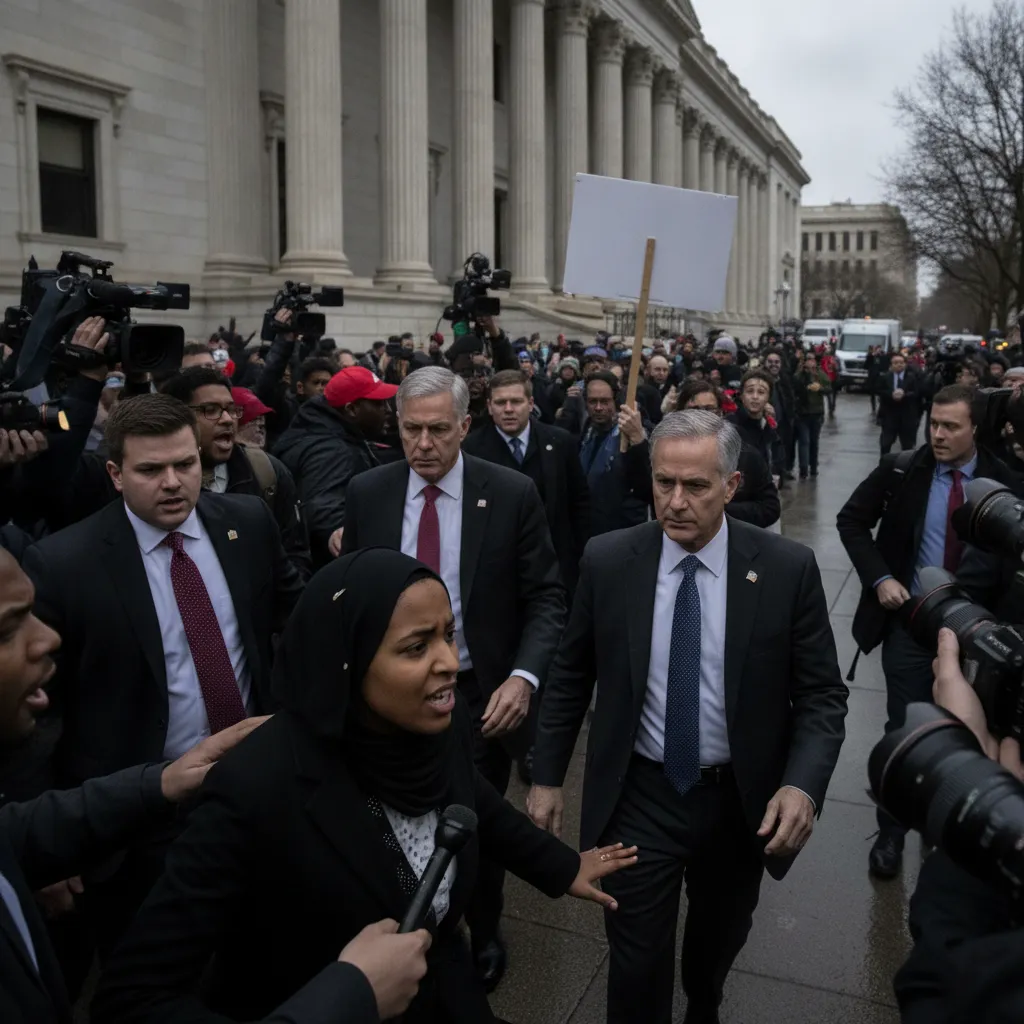
The turning point arrived in Minneapolis, where the deployment of thousands of federal officers transformed neighborhoods into zones of tactical warfare. Masked agents arriving in unmarked convoys sparked widespread protests and ended in tragedy when two U.S. citizens were killed during confrontations with federal authorities. These deaths, particularly the shooting of a peaceful citizen captured on bystander video, have fundamentally altered the national conversation. While supporters argue these measures are simply the cost of doing business to end illegal immigration, critics suggest the administration has crossed a line from law enforcement into constitutional violation.
This volatility is creating a precarious situation for Republicans heading into the midterm elections. Polling indicates a surprising reversal in voter sentiment; while there remains broad support for strong borders, there is growing disapproval of the aggressive tactics used within U.S. cities. This friction has caused visible cracks within GOP ranks, pitting hardline advocates for total deportation against moderates and representatives from immigrant-heavy communities who worry about the optics and legality of current operations.
Democrats have seized on this shift to move beyond mere criticism toward active resistance, with some members calling for the defunding of ICE altogether. As stories emerge of legal residents and citizens caught in the dragnet—including cases where individuals were deported despite court orders—the narrative has pivoted from one of national security to one of government overreach. By fulfilling his hardest pledges with such intensity, Trump may be finding that his greatest policy victory is becoming his most significant electoral liability.
This article is for information only and is not investment advice.